|
Home Education: Easy as ABC
By Beverley Paine, 2013
Home educating is easier than we think. The most wonderful thing about it is that it naturally blurs the lines between home and school: learning isn't confined to set activities between 9am and 3pm but occurs throughout the whole day. The daily routine of family life is a natural and important element of the home educating curriculum, perhaps the most important.
Chores, which can be a source of conflict within the family when crammed into a tight and busy schedule restricted by school and work commitments, become opportunities to learn and consolidate valuable life skills. They no longer need to compete with precious leisure time. Learning how to look after personal property, repair things, help others, prepare nutritious meals, work and play safely, tick several curriculum outcomes without the children realising they are, in effect, doing 'school work'!
The developmental value of play in children's lives is well known. What is less recognised however is how playing enhances and provides opportunities for learning new skills, knowledge and understanding. Imagination and creativity lie at the heart of our ability to solve problems, which is, in turn, essential for the development and honing of scientific and mathematical thinking. The play scripts young children construct in their pretend games naturally build and practice language development crucial to enjoying and understanding literature, as well as providing a scaffold upon which effective communication strategies are built. As a vehicle for learning play comes with built-in motivation: most children, if given the chance, will choose to play all day!
All children have hobbies, though sometimes they aren't recognised or valued by their parents for furthering educational goals. The intense and natural motivation children invest in their hobbies, sometimes seen as 'obsessions', often becomes the foundation of a solid work ethic as they grow. Collections can sometimes be an important feature of a hobby. Hobbies and interests offer integrated learning opportunities that naturally encompass objectives and satisfy outcomes across the curriculum. As children grow their hobbies and interests draw them into the community, through participation in clubs, associations, classes and special events. Home educating families tend to actively engage in community life, creating strong social networks that provide support, work experience and future employment opportunities.
An often expressed benefit of home educating is the ability to access community and educational venues, exhibitions and institutions at leisure. Discounts are usually available. Homeschooling families excel at finding and sharing information about free resources. Excursions are a regular feature of most homeschooling or unschooling support groups. Free from the need to complete arbitrary worksheets or take notes for tests or assignments, home educated children can explore, discover, chat and ask questions and engage in the activity in whatever way best meets their learning needs or interests. With a high ratio of adults per students and less need for behaviour management the focus can be completely on the educational experience.
Home educating naturally combines the best features of home and school. Instead of parents helping with homework, parent and children work together to select the learning resources and materials which will best meet the children's individual educational and developmental needs. This helps to ensure motivation remains high. Learning problems and difficulties are continuously identified and adjustments to the approach and materials tweaked. Initially unsure, parents' confidence in their ability to help their children learn steadily grows. Homeschool and unschool networks abound; state and national associations provide newsletters and magazines, phone and email support. Regular outings and camps bring families together to play, chat and exchange stories and experiences. It can be initially daunting to take on the responsibility for educating your children from home and it will take time to get used to the different way education happens outside of the classroom, but it is immensely rewarding.
Many home educators make the decision to remove their child from school as a result of unresolved school issues, generally because their children's educational, developmental or social needs are not being met. Other families begin consciously educating their children as soon as they are born. And some, such as my family, were actively involved in the education of our children from birth, and are delighted to discover that it is possible to continue to help our children learn through home education instead of sending them to school each day.
Caring parents naturally teach their children, and have done from birth. Most of us don't realise we are our children first and most important educators. The curriculum we offered them in the first few years of life was complete and needed only tweaks here and there as we discovered more about parenting and adjusted to family life. When our children needed stimulating materials to take their skills and knowledge that one step further we provided them, mindful of the child's emerging abilities, temperament and personality.
Helping our children learn what they need to know and being there for them, and finding and providing the things that will help them grow, is what parents naturally do. We've helped them master some of the most difficult tasks in life: learning to walk, talk and get along with others, all of which are usually taken care of in the first five years. Of course we can help them learn to read, write, calculate, become social beings, and eventually launch themselves into world of adult life.
We've been taught that education is difficult; a mysterious process that only appropriately trained people can perform. And while that may be true for some areas of skill and knowledge most parents have mastered the basic education necessary and delivered during the first 12 years of life and can easily help their children master those skills too. And no longer are the resources necessary to help children learn specific skills and knowledge beyond this basic education restricted to schools, colleges and universities: with the help of the internet and community based education initiatives students of any age can access quality and effective learning opportunities. Finding resources to help your child learn anything and everything are only a click away.
It takes four years at university to learn how to teach everyone else's children. Home educators, however, only teach their own children. We don't need years of training, degrees and qualifications. Our job isn't the same as a classroom teacher. We have the benefit of being able to be available, responsive and attentive to our children's individual learning needs as those needs arise throughout the day, not just between the hours of nine and three.
It's easy to feel intimidated and worried about making the decision to home educate. I used to worry that I'd fail my children: this worry kept me on my toes, always looking for more effective ways of meeting their learning needs. Recording what and how my children were learning helped to build my confidence as a home educator. My somewhat patchy records became the basis for my annual reports necessary for obtaining ongoing approval to home educate. As my collection of records grew I found that many doubters, especially family and friends, became more accepting and understanding of the idea of home education.

Was this article helpful? Was it worth $1.00 to you?
Your gift of $1 or more helps to keep this site operating
offering encouragement
and reassurance to families
wanting
better outcomes for their children.

Beverley Paine with her children, and their home educated children, relaxing at home.
Together with the support of my family, my aim is to help parents educate their children in stress-free, nurturing environments. In addition to building and maintaing this website, I continue to create and manage local and national home educating networks, help to organise conferences and camps, as well as write for, edit and produce newsletters, resource directories and magazines. I am an active supporter of national, state, regional and local home education groups.
"You've been an inspiration to me, I love the way
you really listen to people." Vanessa
"Whenever I read your writing I always come away
with increased confidence in my ability to provide and
share a wonderful learning journey with my family!" Davina
"Your guidance, understanding, support and words of
wisdom changed our lives. We now offer support and
organise many homeschooling events for others." Lesley
"Thank you once again for your prompt and friendly service.
I am convinced that your books are going to add
quality and peace of mind to my journey of teaching my kids
at home! Just from studying your website, until almost
2am
in the morning, I 've been encouraged!" Louisa
"Thank you for all your many,many reassuring words
over many, many years. You probably don't know exactly how
valuable you are to the Australian Home Education community.
I've been reading your stuff for maybe 8 years or more now.
And I'm very grateful." Gythaa


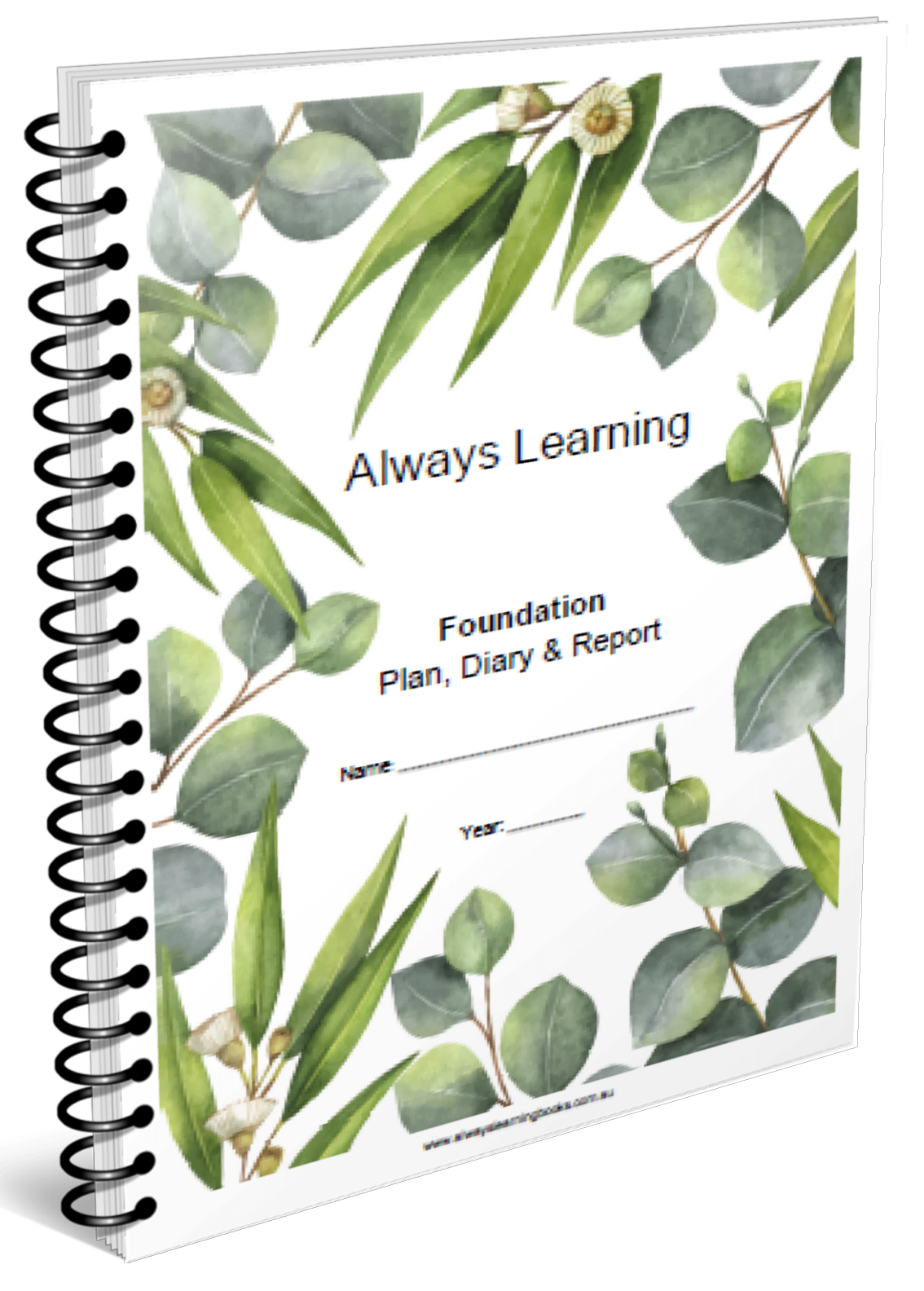
Want to learn how to write your own education plans
to suit your unique children's individual learning needs?
Or you are looking for quality curriculum and teaching tips...
Comprehensive 3 workbook 'how to home ed' course
covering the essential skills you need
successfully home educate your children
|
|
Welcome to the World of Home Education
and Learning without School!
We began educating our children in 1985, when our eldest was five. In truth, we had helped them learn what they need to learn since they were born. I am a passionate advocate of allowing children to learn unhindered by unnecessary stress and competition, meeting developmental needs in ways that suit their individual learning styles and preferences. Ours was a homeschooling, unschooling and natural learning family! There are hundreds of articles on this site to help you build confidence as a home educating family. We hope that your home educating adventure is as satisfying as ours was! Beverley Paine
3 ESSENTIAL STEP BY STEP GUIDES
Let experienced home educators Beverley, Tamara and April walk you through HOW to create a learning plan that builds on solid foundations that works for YOUR family AND ticks all the boxes for home educaton registration!
|
Tap into Beverley's
experience
through her books
"Your books, your blogs helped me beyond words... they helped me to find comfort in knowing it is ok to choose exactly what is best for my family." Nisha
"Your books and information are mind blowing and already I am feeling good about this new experience." Diane
"Your guidance, understanding, support & words of wisdom changed our lives." Leslie
"I feel specially inspired by Beverley's words and, the more I read her comments, the more inspired I feel, since my need for support, respect for different parenting styles, and information are fully met." Marijo
|
 |
|


The information on this website is of a general nature only and is not intended as personal or professional advice. This site merges and incorporates 'Homeschool Australia' and 'Unschool Australia'.
The Educating Parent acknowledges the Traditional Aboriginal and Torres Strait Islander Owners, the Custodians of Australia, and pay our respects to Elders past and present and extend that respect to Aboriginal and Torres Strait Islander people viewing this website.
Advertise on this site.




Home education is a legal alternative
to school education in Australia.
State and Territory governments are responsible
for regulating home education and have different
requirements, however home educating families
are able to develop curriculum and learning programs
to suit the individual needs of their children.

Without revenue from advertising
by educational suppliers and Google Ads
we could not continue to provide information
to home educators. Please support us by letting
our advertisers know that you found them on
The Educating Parent. Thanks!
|

 About
About

 Thank you for visiting!