|
The Ten Habits of Successful (Homeschool) Organisms
by Beverley Paine
Following on from our focus on biodiversity during the International Year of Biodiversity, I came across an interesting article in which Edwin Datschefski identified ten habits that underpin the success of DNA organisms. He suggested that human organisations can achieve a similar vitality by following them: http://www.biothinking.com/ten.htm. I've long had an interest in linking my understanding of permaculture philosophy and practice with natural learning and home education.
I've used them in relation to home education:
- React: Learning opportunities occur when we react to stimuli. Our children may ask a question, or come across something they don't understand, or are unable to do. Their reactions tell us a great deal about their current developmental abilities.
- Forage: Searching for and finding resources, as well as brainstorming solutions, are the ways in which learners forage.
- Grow: Working with the resources and acting on our solutions promotes growth - in the learner's case, learning.
- Co-operate: Working together and making the most of symbiotic relationships and patterns provides a rich pool of resources learners can use.
- Self-organise: Being aware of personal learning needs, styles and modalities, disposition and temperament, together with attentiveness to the above four habits, naturally develops organisational skills. Discipline and motivation result from the harmony of learning that is in tune with the needs of the learner.
- Multiply: Learning builds on prior learning and leads to many learning outcomes, not just those that are consciously sought. Inherently a social activity, under conditions which value learning, learning is infectious. Through conversation and activity we share our learning outcomes and encourage additional explorations and investigations.
- Excrete: Learning produces results: new knowledge, understanding, skills, and abilities. These give rise to insight, innovation and the creation of products and services.
- Defend: A thorough understanding of the elements that affect our daily lives enables us to make sensible decisions which help to keep us safe, or build towards sustainable solutions that enable progress support life.
- Niche: Identifying personal learning styles and modalities and focusing on building on strengths (interests and passions) and continuously accepting learning challenges (overcoming limitations), learners identify niches from which they can operate and thus contribute in meaningful and satisfying ways in society.
- Evolve: Learners synthesise new experiences, ideas and information to build complex perceptions and understandings. The constant flow of changing situations offers the opportunity for abundant and creative growth. How we learn today is vastly different to how people learned fifty years ago. How we will learn in fifty years will be completely different to how we learn today. Although as home educators we may use similar or the same resources as our ancestors we apply different thinking skills and new perceptions to each learning task.
This article was first published in Stepping Stones for Home Educators

Was this article helpful? Was it worth $1.00 to you?
Your gift of $1 or more helps to keep this site operating
offering encouragement
and reassurance to families
wanting
better outcomes for their children.

Beverley Paine with her children, and their home educated children, relaxing at home.
Together with the support of my family, my aim is to help parents educate their children in stress-free, nurturing environments. In addition to building and maintaing this website, I continue to create and manage local and national home educating networks, help to organise conferences and camps, as well as write for, edit and produce newsletters, resource directories and magazines. I am an active supporter of national, state, regional and local home education groups.
"You've been an inspiration to me, I love the way
you really listen to people." Vanessa
"Whenever I read your writing I always come away
with increased confidence in my ability to provide and
share a wonderful learning journey with my family!" Davina
"Your guidance, understanding, support and words of
wisdom changed our lives. We now offer support and
organise many homeschooling events for others." Lesley
"Thank you once again for your prompt and friendly service.
I am convinced that your books are going to add
quality and peace of mind to my journey of teaching my kids
at home! Just from studying your website, until almost
2am
in the morning, I 've been encouraged!" Louisa
"Thank you for all your many,many reassuring words
over many, many years. You probably don't know exactly how
valuable you are to the Australian Home Education community.
I've been reading your stuff for maybe 8 years or more now.
And I'm very grateful." Gythaa


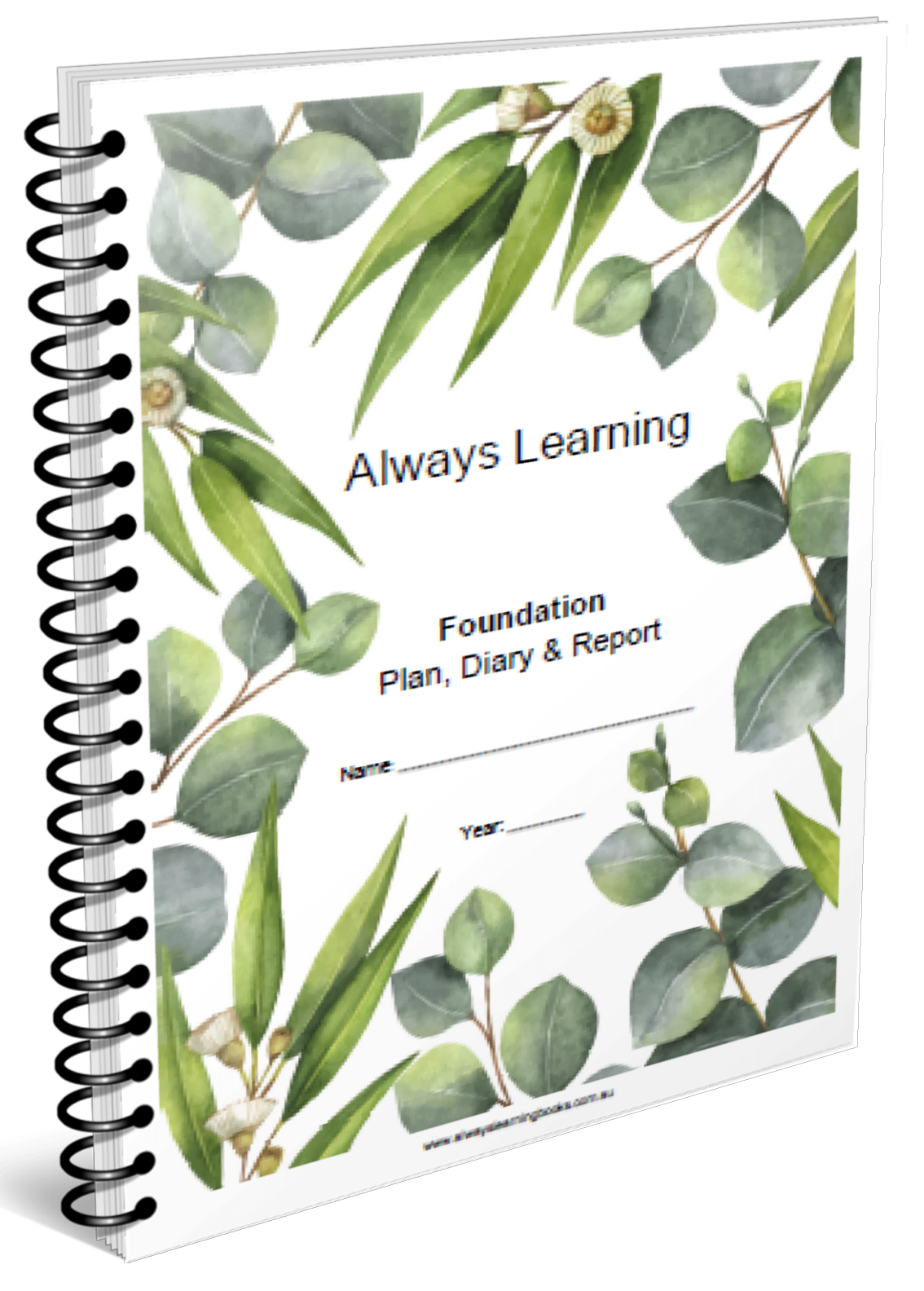
Want to learn how to write your own education plans
to suit your unique children's individual learning needs?
Or you are looking for quality curriculum and teaching tips...
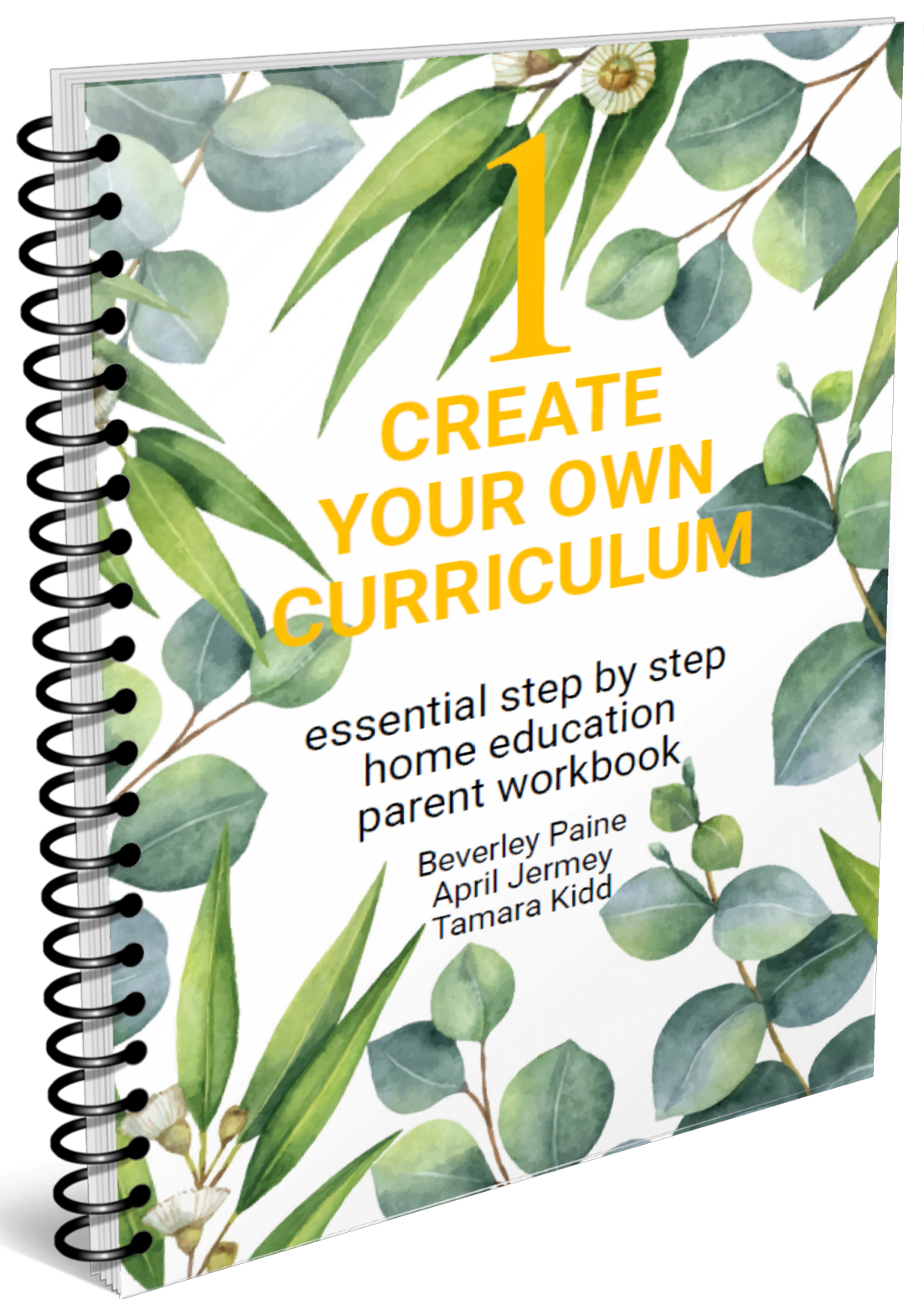
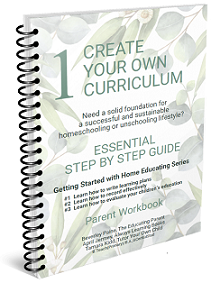
Comprehensive 3 workbook 'how to home ed' course
covering the essential skills you need
successfully home educate your children
|
|
Welcome to the World of Home Education
and Learning without School!
We began educating our children in 1985, when our eldest was five. In truth, we had helped them learn what they need to learn since they were born. I am a passionate advocate of allowing children to learn unhindered by unnecessary stress and competition, meeting developmental needs in ways that suit their individual learning styles and preferences. Ours was a homeschooling, unschooling and natural learning family! There are hundreds of articles on this site to help you build confidence as a home educating family. We hope that your home educating adventure is as satisfying as ours was! Beverley Paine
3 ESSENTIAL STEP BY STEP GUIDES
Let experienced home educators Beverley, Tamara and April walk you through HOW to create a learning plan that builds on solid foundations that works for YOUR family AND ticks all the boxes for home educaton registration!
|
Tap into Beverley's
experience
through her books
"Your books, your blogs helped me beyond words... they helped me to find comfort in knowing it is ok to choose exactly what is best for my family." Nisha
"Your books and information are mind blowing and already I am feeling good about this new experience." Diane
"Your guidance, understanding, support & words of wisdom changed our lives." Leslie
"I feel specially inspired by Beverley's words and, the more I read her comments, the more inspired I feel, since my need for support, respect for different parenting styles, and information are fully met." Marijo
|
 |
|

The information on this website is of a general nature only and is not intended as personal or professional advice. This site merges and incorporates 'Homeschool Australia' and 'Unschool Australia'.
The Educating Parent acknowledges the Traditional Aboriginal and Torres Strait Islander Owners, the Custodians of Australia, and pay our respects to Elders past and present and extend that respect to Aboriginal and Torres Strait Islander people viewing this website.
Advertise on this site.



Home education is a legal alternative
to school education in Australia.
State and Territory governments are responsible
for regulating home education and have different
requirements, however home educating families
are able to develop curriculum and learning programs
to suit the individual needs of their children.

Without revenue from advertising
by educational suppliers and Google Ads
we could not continue to provide information
to home educators. Please support us by letting
our advertisers know that you found them on
The Educating Parent. Thanks!
|

 About
About

 Thank you for visiting!