|
Homeschooling in Practice: What Homeschooling Means for the Children
an excerpt from the introduction to Getting Started with Homeschooling: Practical Considerations for Parents of School Aged Children
by Beverley Paine
My other article primarily focused on the parents' perspective. What about the children? Without their co-operation and interest home education will not work. They need to be consulted and should participate in the decisions made about their education from the very beginning.
Their understanding of this process will depend on age. Even young children can, and should, have input, allowing them the opportunity to experience control and direction of their own education. This is good for developing self-motivation and responsibility for their own learning processes.
Some considerations relating to children learning at home are as follows:
- Does the child want to be at home? Young children, who have not been to school or preschool will not usually question continuing to be at home. Children taken out of school may have questions or concerns. They need to understand what being at home all day will mean for them, both possible positive and negative outcomes, in order to feel comfortable about the decision. Acknowledgement of, or reassurances about, their concerns need to be followed up by action. Disappointment can lead to an unnecessary early rejection of learning at home.
- Some children may develop an intense curiosity about school, and many home schooled children love to play 'schools'. It is important to present school as an alternative form of education which many families choose for many different reasons. Even if you have had unhappy school experiences in the past, it is important to keep this in perspective. Your children might need to attend school in the future for many reasons - making schools an unattractive option will only cause unnecessary stress. Sometimes home educated children need to satiate their curiosity by visiting schools, or even attending them for a while. There is nothing unusual about this, and parents should not feel they have failed at home schooling. Children are, by nature, curious and accepting of differences.
- All children need reassurance they are okay or 'normal'. Socialising is an important aspect of child development, probably the most important. Children need access to other children in all kinds of situations and environments. Often home educating parents have to go out of their way to locate opportunities for their children to socialise. Making friends with other home schooling children is important, and maintaining contact with other friends needs to be fostered and encouraged. Very often children will be most happy if they can have regular access to one or two special friends, and a variety of social experiences. There is no need to duplicate the social environment of school, and with minimal effort it is easy to create superior social and learning environments for your children.
- Children leaving school need time to adapt, and to find the independence and self-motivation needed for successful home learning. At home, with the advantage of personal tutoring, there is more time available for children to occupy themselves without supervision or direction. Often children will need to re-learn the skills to do this. This may mean some children will need to adjust their perception of what learning is and how it happens, from passive instruction or group interaction, to one of active exploration, investigation or personal reflection. Most home educated children are required to have an increased level of input into the direction and responsibility of their learning. Understanding the educational role of play and ordinary household chores in children's lives can help to alleviate concern. If parents can learn to understand the important role of play and general home life with its varied 'chores', in children's education can help both parents and children adapt to the new routines and activities.
- Learning to cope with solitude can be difficult for well-schooled youngsters, but has many advantages and is essential for healthy development. Parents need to be patient and sympathetic, realising 'boredom' needs to be addressed constructively. It can be at this stage parents have to 'sacrifice' their own time to help their youngsters adjust to their new life, but time spent helping children to find meaningful activities and new friends is well rewarded.
- Some children may require a 'refresher' - time off from formal academic study with lots of informal and experiential based learning. Far from being a 'holiday', which is what it resembles, this time can be used to show both child and parent the educational value in many day to day activities, including play and spontaneous investigations. During this time parents can begin to understand the child's unique learning style.
- Often children need reassurance that they are keeping up with their peers. They need to be reminded frequently that they are learning, but perhaps different things, in different ways, and at different times from their friends. When home educated children have returned to school they are often surprised they have progressed amazingly in some areas and are ahead of their peers, while in others they are'behind'. Subject matter and skills not covered in the home environment are usually easily 'picked up' or learned at school. When education is considered a life long process, arbitrary grades and levels lose their importance!
- It is important to provide a network of caring, supportive and trusted adults outside of the home whom your child can access at any time. This is true of schooled children as well.
- To be successful the learning program needs to be tailored to the needs and interests of the children, and based on their personal learning styles. This is gained from conscientious observation of your children - at work or play. How you learned as a child may be vastly different from how your child learns. Current lifestyles and expectations from education have changed enormously from your own childhood years, and technology presents challenges to most parents. Remember this as you develop learning programs - what and how you learned may have suited you, but your children are different!
- Flexibility, trial and error, and a little research are the learning tools of the home educating parent - no different from parenting really!
See also:

Was this article helpful? Was it worth $1.00 to you?
Your gift of $1 or more helps to keep this site operating
offering encouragement
and reassurance to families
wanting
better outcomes for their children.

Beverley Paine with her children, and their home educated children, relaxing at home.
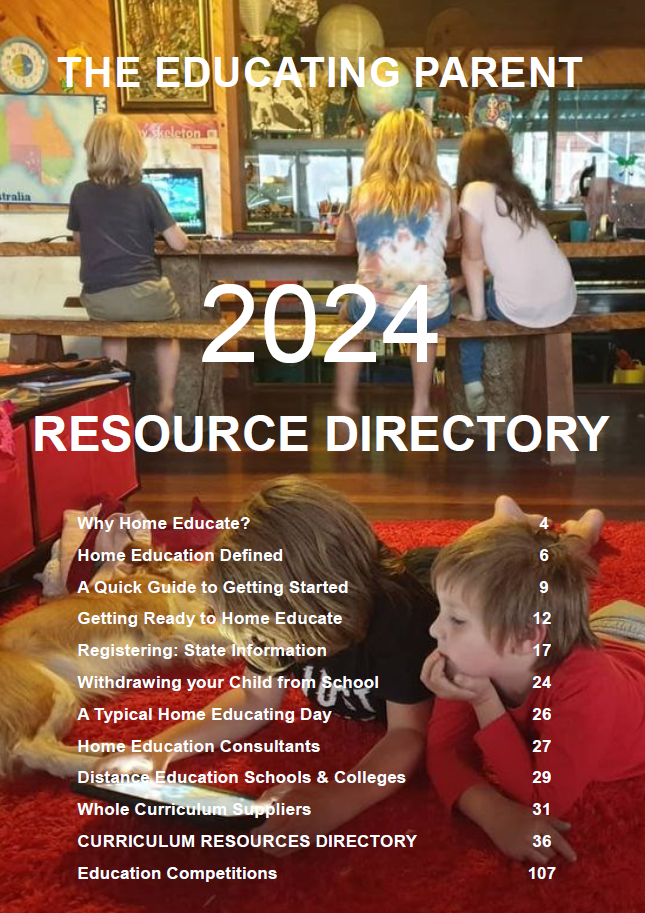
Together with the support of my family, my aim is to help parents educate their children in stress-free, nurturing environments. In addition to building and maintaing this website, I continue to create and manage local and national home educating networks, help to organise conferences and camps, as well as write for, edit and produce newsletters, resource directories and magazines. I am an active supporter of national, state, regional and local home education groups.
"You've been an inspiration to me, I love the way
you really listen to people." Vanessa
"Whenever I read your writing I always come away
with increased confidence in my ability to provide and
share a wonderful learning journey with my family!" Davina
"Your guidance, understanding, support and words of
wisdom changed our lives. We now offer support and
organise many homeschooling events for others." Lesley
"Thank you once again for your prompt and friendly service.
I am convinced that your books are going to add
quality and peace of mind to my journey of teaching my kids
at home! Just from studying your website, until almost
2am
in the morning, I 've been encouraged!" Louisa
"Thank you for all your many,many reassuring words
over many, many years. You probably don't know exactly how
valuable you are to the Australian Home Education community.
I've been reading your stuff for maybe 8 years or more now.
And I'm very grateful." Gythaa


Want to learn how to write your own education plans
to suit your unique children's individual learning needs?
Or you are looking for quality curriculum and teaching tips...
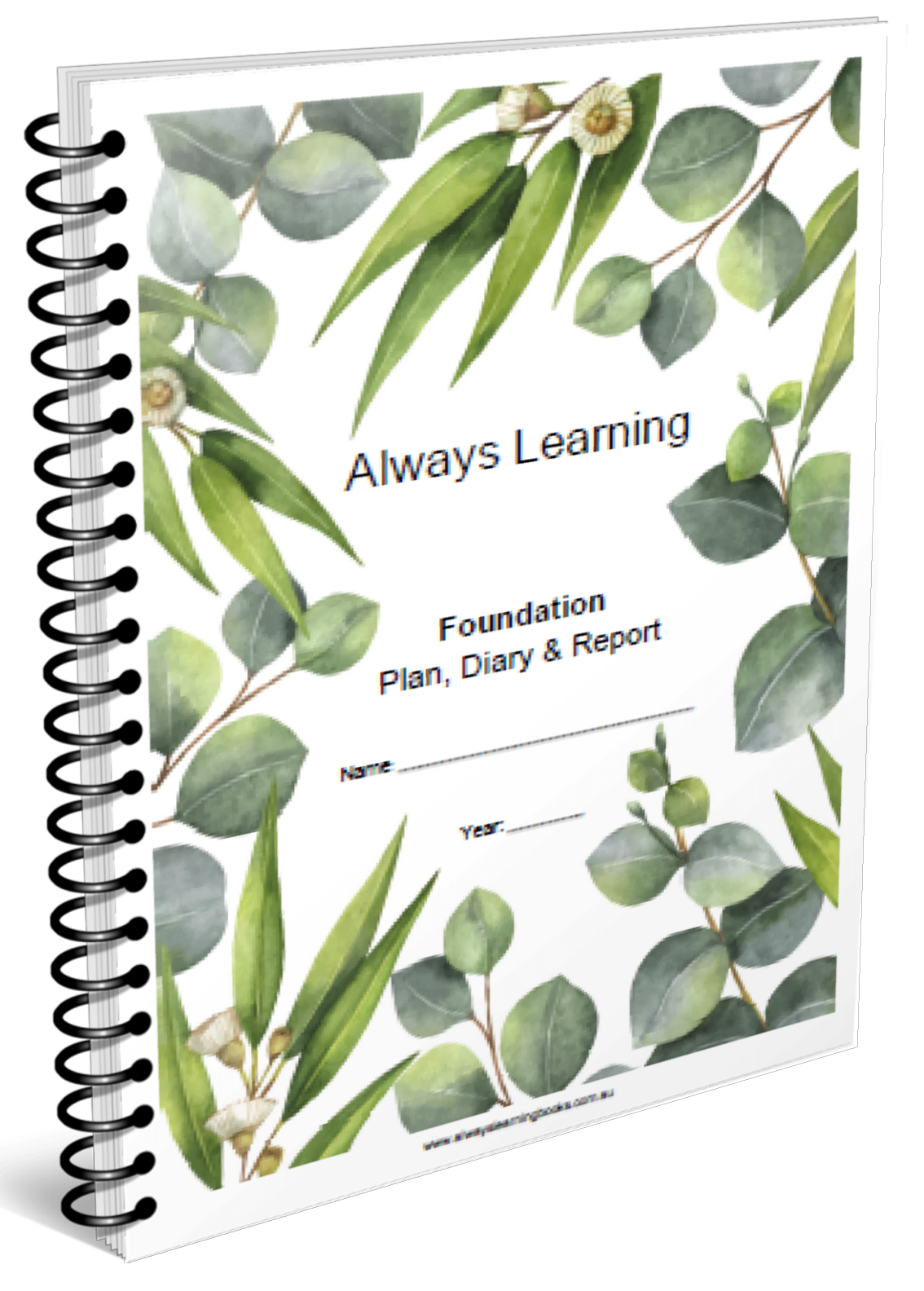
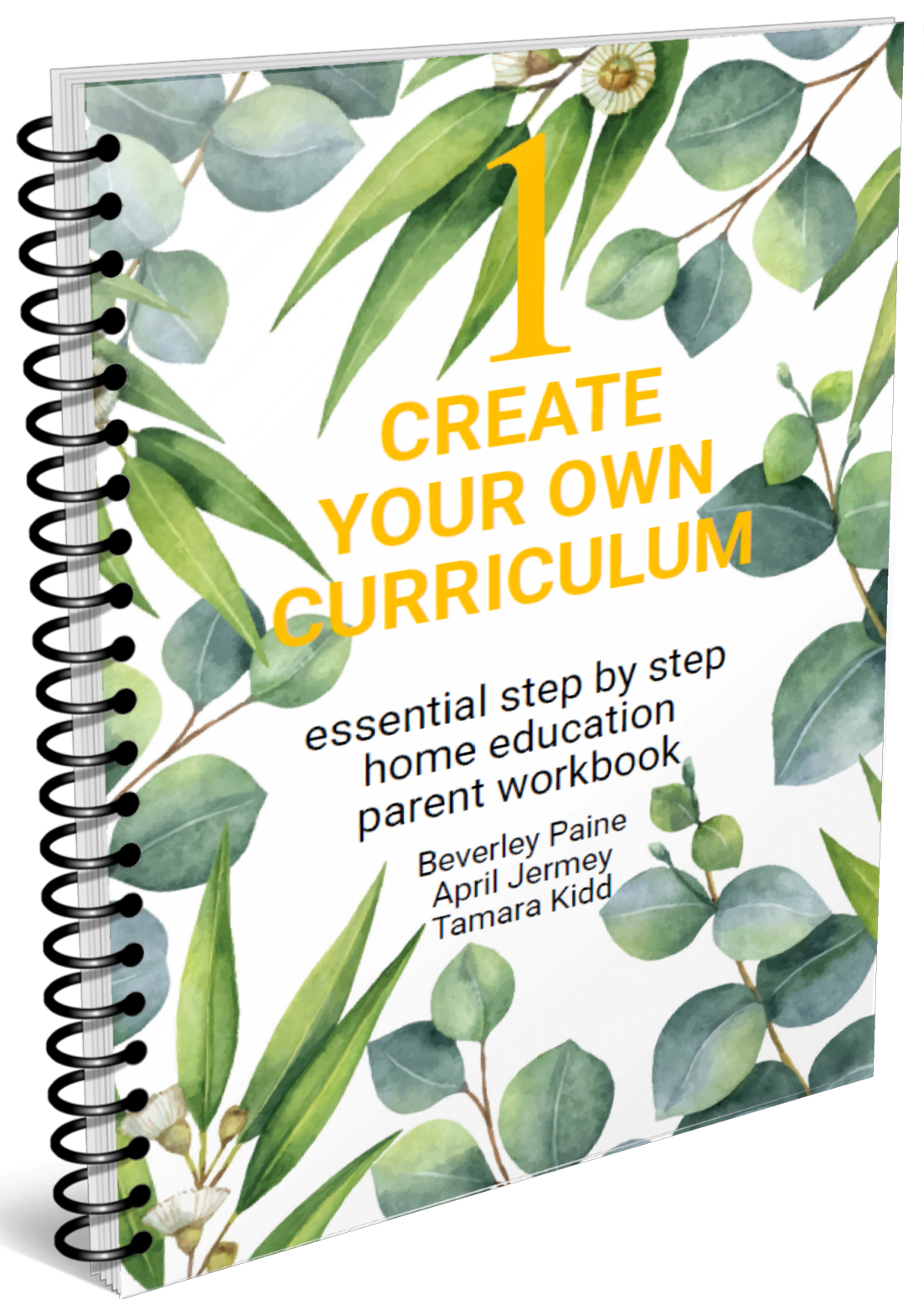
Comprehensive 3 workbook 'how to home ed' course
covering the essential skills you need
successfully home educate your children
|
|
Welcome to the World of Home Education
and Learning without School!
We began educating our children in 1985, when our eldest was five. In truth, we had helped them learn what they need to learn since they were born. I am a passionate advocate of allowing children to learn unhindered by unnecessary stress and competition, meeting developmental needs in ways that suit their individual learning styles and preferences. Ours was a homeschooling, unschooling and natural learning family! There are hundreds of articles on this site to help you build confidence as a home educating family. We hope that your home educating adventure is as satisfying as ours was! Beverley Paine
3 ESSENTIAL STEP BY STEP GUIDES
Let experienced home educators Beverley, Tamara and April walk you through HOW to create a learning plan that builds on solid foundations that works for YOUR family AND ticks all the boxes for home educaton registration!
|
Tap into Beverley's
experience
through her books
"Your books, your blogs helped me beyond words... they helped me to find comfort in knowing it is ok to choose exactly what is best for my family." Nisha
"Your books and information are mind blowing and already I am feeling good about this new experience." Diane
"Your guidance, understanding, support & words of wisdom changed our lives." Leslie
"I feel specially inspired by Beverley's words and, the more I read her comments, the more inspired I feel, since my need for support, respect for different parenting styles, and information are fully met." Marijo
|
 |
|


The information on this website is of a general nature only and is not intended as personal or professional advice. This site merges and incorporates 'Homeschool Australia' and 'Unschool Australia'.
The Educating Parent acknowledges the Traditional Aboriginal and Torres Strait Islander Owners, the Custodians of Australia, and pay our respects to Elders past and present and extend that respect to Aboriginal and Torres Strait Islander people viewing this website.
Advertise on this site.




Home education is a legal alternative
to school education in Australia.
State and Territory governments are responsible
for regulating home education and have different
requirements, however home educating families
are able to develop curriculum and learning programs
to suit the individual needs of their children.

Without revenue from advertising
by educational suppliers and Google Ads
we could not continue to provide information
to home educators. Please support us by letting
our advertisers know that you found them on
The Educating Parent. Thanks!
|

 About
About

 Thank you for visiting!