|
What Kind of a Teacher Are You?
by Beverley Paine, March 2008
"I never teach my pupils; I only attempt to provide
the conditions in which they can learn. " Albert Einstein
"Let the child be a human being and
let the teacher be his friend." 'Papa' Pestalozzi
Every one is a teacher. Even parents who practice natural learning are teachers. Not many of us consider that we are natural teachers, even though we amass a great deal of experience teaching our children a vast array of skills and knowledge during the first few years of their lives. We learn how to teach and parent 'on the job', through experimentation and by reflecting on our own and others' experiences. Sometimes we'll turn to experts for advice, but for most of us it doesn't take long to learn to trust our innate abilities as parents. Teaching is one of the skills we naturally have in our parenting toolbox.
In homeschooling families the focus is usually on what is taught - the content. My booklet Teaching Strategies seeks to examine the how of teaching.
What kind of a teacher are you? To answer this you will need to think about what kind of a parent you are... How you parent determines to a large degree how you will teach your children. But that's only half the story, because your effectiveness as a teacher is also very dependent on what kind of learners you have, how the learning environment is set up, as well as what resources are available.
The teacher's role is not a lot different from that of a parent: both participate in an ongoing cycle of observing children, guiding their learning, and assessing their developmental and educational progress. Along the way we help to motivate our children, build on their prior knowledge and strengths, and support their learning in an intentional way by using a variety of strategies to increase their knowledge, skills, and understanding.
Anna Kealoha, author of Trust the Children , tells us that learning and teaching are made easier when the learning environment is an 'oasis', a place where people enjoy to be, feel welcome and useful. It is a calm environment where stress is kept in balance, with just enough to propel motivation and action without causing distress. This is no place for coercing others. If cooperation is one of your long term homeschool goals, then make this a cooperative learning space that is respectful and tolerant of the occupants. This 'oasis' is also a well-resourced environment, with whatever is needed to complete learning tasks and activities close to hand.
The first tool you need to master in your teacher tool box is the ability to create this 'oasis' of learning. In the Always Learning Books Practical Homeschooling Series booklet, Learning Materials for the Homeschool, is an immense list of resources and materials that "will spark interest in creative learning activities, or motivate your children to investigate and explore new areas of learning". This small, inexpensive booklet offers many tips and ideas on how to set up an exciting and stimulating learning environment.
Understanding how each of your children learn is also crucial. Some children respond well to instruction and feel insecure if left to plot their own learning course, whereas others feel constricted by lessons and need to use their imagination and problem solving skills to learn at their own pace. The opportunity to create truly individualised curricula, by tailoring activities and lessons to the learning needs and styles of each of your children fosters the success so often reported by homeschooling families.
Knowing that you are not alone - that you aren't the only, or even the most important, teacher of your children - is another key factor in feeling successful as a teacher. Learning is essentially a social process. Children teach each other. They will learn from whoever or whatever they bump into. Children are natural learners with huge appetites for making sense of their world. Begin with the end point in mind: the object of teaching is to make yourself redundant by helping your children reach the point where they don't need you at all.

Was this article helpful? Was it worth $1.00 to you?
Your gift of $1 or more helps to keep this site operating
offering encouragement
and reassurance to families
wanting
better outcomes for their children.

Beverley Paine with her children, and their home educated children, relaxing at home.
Together with the support of my family, my aim is to help parents educate their children in stress-free, nurturing environments. In addition to building and maintaing this website, I continue to create and manage local and national home educating networks, help to organise conferences and camps, as well as write for, edit and produce newsletters, resource directories and magazines. I am an active supporter of national, state, regional and local home education groups.
"You've been an inspiration to me, I love the way
you really listen to people." Vanessa
"Whenever I read your writing I always come away
with increased confidence in my ability to provide and
share a wonderful learning journey with my family!" Davina
"Your guidance, understanding, support and words of
wisdom changed our lives. We now offer support and
organise many homeschooling events for others." Lesley
"Thank you once again for your prompt and friendly service.
I am convinced that your books are going to add
quality and peace of mind to my journey of teaching my kids
at home! Just from studying your website, until almost
2am
in the morning, I 've been encouraged!" Louisa
"Thank you for all your many,many reassuring words
over many, many years. You probably don't know exactly how
valuable you are to the Australian Home Education community.
I've been reading your stuff for maybe 8 years or more now.
And I'm very grateful." Gythaa


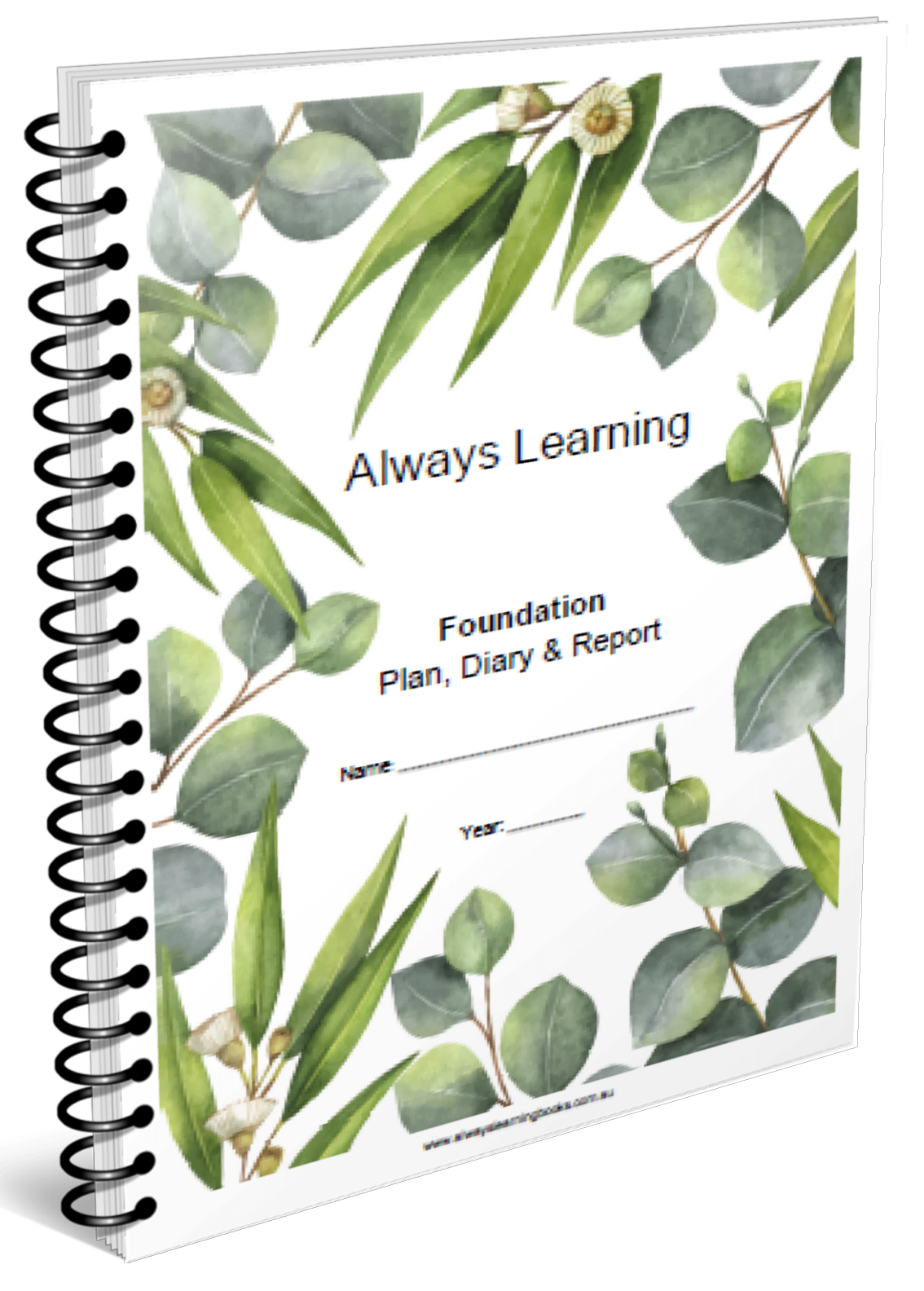
Want to learn how to write your own education plans
to suit your unique children's individual learning needs?
Or you are looking for quality curriculum and teaching tips...
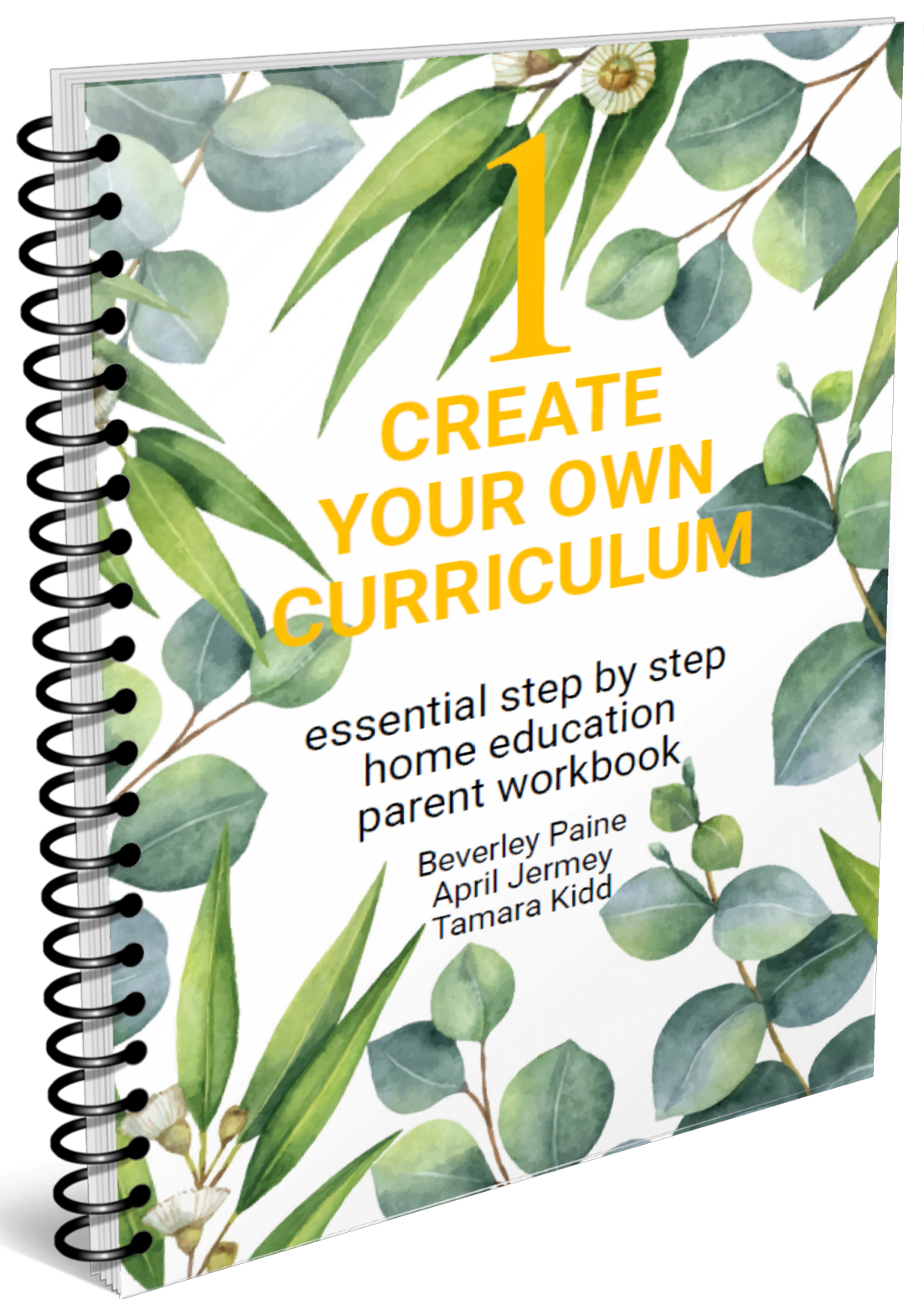
Comprehensive 3 workbook 'how to home ed' course
covering the essential skills you need
successfully home educate your children
|
|
Welcome to the World of Home Education
and Learning without School!
We began educating our children in 1985, when our eldest was five. In truth, we had helped them learn what they need to learn since they were born. I am a passionate advocate of allowing children to learn unhindered by unnecessary stress and competition, meeting developmental needs in ways that suit their individual learning styles and preferences. Ours was a homeschooling, unschooling and natural learning family! There are hundreds of articles on this site to help you build confidence as a home educating family. We hope that your home educating adventure is as satisfying as ours was! Beverley Paine
3 ESSENTIAL STEP BY STEP GUIDES
Let experienced home educators Beverley, Tamara and April walk you through HOW to create a learning plan that builds on solid foundations that works for YOUR family AND ticks all the boxes for home educaton registration!
|
Tap into Beverley's
experience
through her books
"Your books, your blogs helped me beyond words... they helped me to find comfort in knowing it is ok to choose exactly what is best for my family." Nisha
"Your books and information are mind blowing and already I am feeling good about this new experience." Diane
"Your guidance, understanding, support & words of wisdom changed our lives." Leslie
"I feel specially inspired by Beverley's words and, the more I read her comments, the more inspired I feel, since my need for support, respect for different parenting styles, and information are fully met." Marijo
|
 |
|

The information on this website is of a general nature only and is not intended as personal or professional advice. This site merges and incorporates 'Homeschool Australia' and 'Unschool Australia'.
The Educating Parent acknowledges the Traditional Aboriginal and Torres Strait Islander Owners, the Custodians of Australia, and pay our respects to Elders past and present and extend that respect to Aboriginal and Torres Strait Islander people viewing this website.
Advertise on this site.



Home education is a legal alternative
to school education in Australia.
State and Territory governments are responsible
for regulating home education and have different
requirements, however home educating families
are able to develop curriculum and learning programs
to suit the individual needs of their children.

Without revenue from advertising
by educational suppliers and Google Ads
we could not continue to provide information
to home educators. Please support us by letting
our advertisers know that you found them on
The Educating Parent. Thanks!
|

 About
About

 Thank you for visiting!