|
To Teach or Not to Teach!
by Beverley Paine
As parents and home educators we use the word teach to describe a range of activities all the time. From an unschooling point of view we tend to avoid using it at all because most people think we're talking about what teachers in schools do... What we as unschoolers tend to do is help children meet their needs in this moment with whatever resources we can pull together to help serve that purpose.
Children are born learning. They simply get on with it. They don't need to learn to love learning or attach any emotion to the act of learning: emotions get attached as appropriate and to serve the purpose of learning in the moment. Why tell children learning must be experienced in this or that way? Why set up the expectation that it will be this or that? Fun, hard, tedious, exciting, etc? Just let them get on with what they naturally do, and help them if they ask or if help is obviously needed (and then only if the child is happy to accept the help).
There are things we want our children to know and be able to do and some people wonder how that is going to happen without teaching them... I tackled these things by creating an environment conducive to learning those things.
I'd visited a Montessori classroom when my eldest was five and liked how the children could access toys and activities that had been carefully thought through and constructed (and placed) to introduce and develop different skills and concepts.
Our house was littered with posters and labels with both pictures and words. It may have looked a little bit like a classroom but the way I saw it, my children were like a tourist in a foreign country: the pictures told my child what was in the cupboard, the word linked language to the item, and the purpose was to help my children become independent. Posters and lists of things that needed to be done were tacked to the wall, reminding us all. We made sure we picked a large format calendar each year - the calendar was an integral part of our home education recording regime.
Shelves with labelled trays and boxes containing books, puzzles, games, toys, art, craft and science materials lined the walls. We had a natural history table, with labelled items collected from play in the garden and from our walks. There was room for rock and stamp and other collections.
An important aspect of creating the environment was involving the children in our activities as well as getting involved in theirs. Working out ways to keep life moving smoothly - eradicating anything that caused stress - took time. I learned to work with the children's personalities and individual learning styles, rather than continue to assume they learn the same way I did, or the way I was taught at school.
My children moved through this carefully constructed environment without thinking that they were learning anything educational. My youngest son, in his late teens, pondered how he had learned to calculate mathematically, not able to remember being taught those skills. We both have a sense that his childhood was one of playing, doing the chores, helping mum and dad build the house and garden but mostly playing.
In the early years of home educating I saw myself as teacher and thought I needed to teach, worried, as many home educators are, that without being taught there are things that can't be learned. Thankfully my eldest gradually resisted my attempts at teaching and instead of doing what others advised - add more coercion and emotionally manipulate her to learn - I backed off, let her take the lead and show me a more efficient way.

Was this article helpful? Was it worth $1.00 to you?
Your gift of $1 or more helps to keep this site operating
offering encouragement
and reassurance to families
wanting
better outcomes for their children.

Beverley Paine with her children, and their home educated children, relaxing at home.
Together with the support of my family, my aim is to help parents educate their children in stress-free, nurturing environments. In addition to building and maintaing this website, I continue to create and manage local and national home educating networks, help to organise conferences and camps, as well as write for, edit and produce newsletters, resource directories and magazines. I am an active supporter of national, state, regional and local home education groups.
"You've been an inspiration to me, I love the way
you really listen to people." Vanessa
"Whenever I read your writing I always come away
with increased confidence in my ability to provide and
share a wonderful learning journey with my family!" Davina
"Your guidance, understanding, support and words of
wisdom changed our lives. We now offer support and
organise many homeschooling events for others." Lesley
"Thank you once again for your prompt and friendly service.
I am convinced that your books are going to add
quality and peace of mind to my journey of teaching my kids
at home! Just from studying your website, until almost
2am
in the morning, I 've been encouraged!" Louisa
"Thank you for all your many,many reassuring words
over many, many years. You probably don't know exactly how
valuable you are to the Australian Home Education community.
I've been reading your stuff for maybe 8 years or more now.
And I'm very grateful." Gythaa


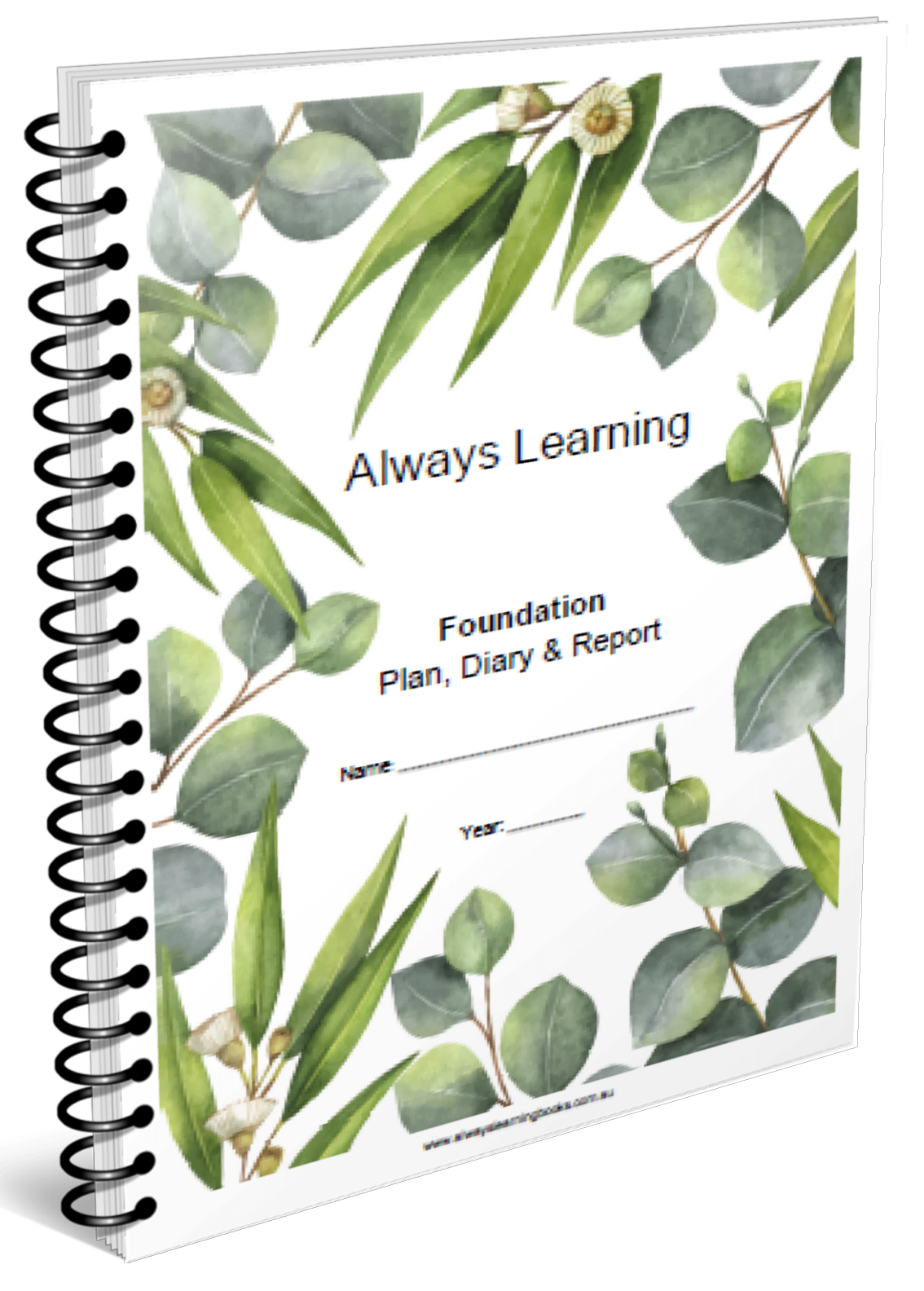
Want to learn how to write your own education plans
to suit your unique children's individual learning needs?
Or you are looking for quality curriculum and teaching tips...
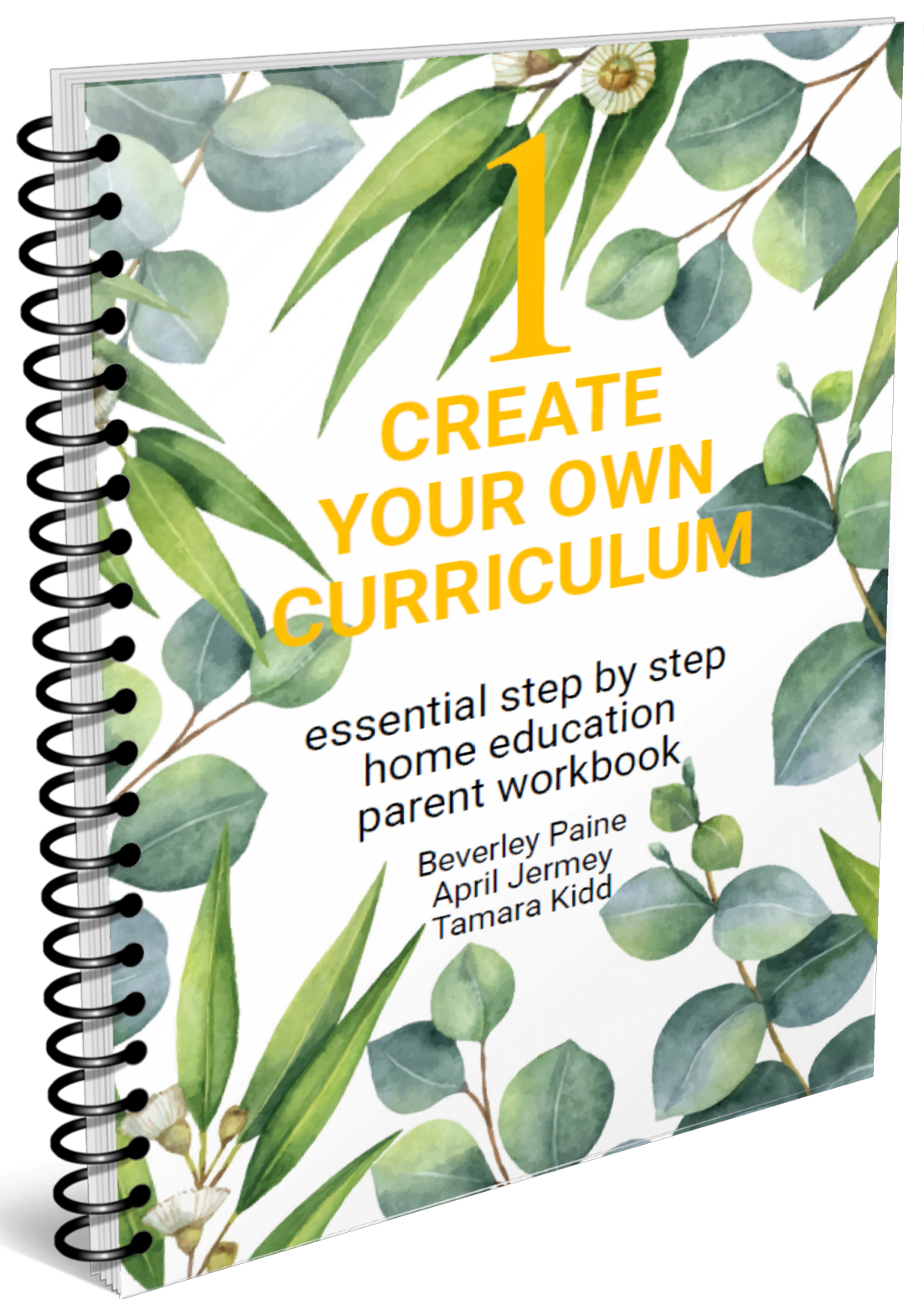
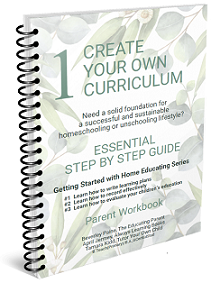
Comprehensive 3 workbook 'how to home ed' course
covering the essential skills you need
successfully home educate your children
|
|
Welcome to the World of Home Education
and Learning without School!
We began educating our children in 1985, when our eldest was five. In truth, we had helped them learn what they need to learn since they were born. I am a passionate advocate of allowing children to learn unhindered by unnecessary stress and competition, meeting developmental needs in ways that suit their individual learning styles and preferences. Ours was a homeschooling, unschooling and natural learning family! There are hundreds of articles on this site to help you build confidence as a home educating family. We hope that your home educating adventure is as satisfying as ours was! Beverley Paine
3 ESSENTIAL STEP BY STEP GUIDES
Let experienced home educators Beverley, Tamara and April walk you through HOW to create a learning plan that builds on solid foundations that works for YOUR family AND ticks all the boxes for home educaton registration!
|
Tap into Beverley's
experience
through her books
"Your books, your blogs helped me beyond words... they helped me to find comfort in knowing it is ok to choose exactly what is best for my family." Nisha
"Your books and information are mind blowing and already I am feeling good about this new experience." Diane
"Your guidance, understanding, support & words of wisdom changed our lives." Leslie
"I feel specially inspired by Beverley's words and, the more I read her comments, the more inspired I feel, since my need for support, respect for different parenting styles, and information are fully met." Marijo
|
 |
|

The information on this website is of a general nature only and is not intended as personal or professional advice. This site merges and incorporates 'Homeschool Australia' and 'Unschool Australia'.
The Educating Parent acknowledges the Traditional Aboriginal and Torres Strait Islander Owners, the Custodians of Australia, and pay our respects to Elders past and present and extend that respect to Aboriginal and Torres Strait Islander people viewing this website.
Advertise on this site.



Home education is a legal alternative
to school education in Australia.
State and Territory governments are responsible
for regulating home education and have different
requirements, however home educating families
are able to develop curriculum and learning programs
to suit the individual needs of their children.

Without revenue from advertising
by educational suppliers and Google Ads
we could not continue to provide information
to home educators. Please support us by letting
our advertisers know that you found them on
The Educating Parent. Thanks!
|

 About
About

 Thank you for visiting!